
In a progressive move to support working mothers and promote inclusive industrial growth, Tamil Nadu’s State Industries Promotion Corporation of Tamil Nadu (SIPCOT) has launched SIPCOT creches across 16 of its industrial parks. These facilities, designed to offer safe, education-based childcare, mark a major stride in ensuring that women in the workforce can balance their professional and family responsibilities with greater ease.
The initiative, inaugurated on Monday, aims to create a nurturing and learning environment for children while enabling mothers to participate in the workforce without the burden of constant childcare concerns. This move by SIPCOT, in collaboration with the Federation of Indian Chambers of Commerce and Industry’s (FICCI) Ladies Organisation (FLO), underscores Tamil Nadu’s commitment to inclusive industrial development and social welfare.
Empowering Women Through Accessible Childcare
While SIPCOT is providing the physical infrastructure and space for these creches, the facilities will be operated and managed by FICCI’s Ladies Organisation (FLO), known for its dedication to women’s empowerment and community development. The SIPCOT creches will serve as a vital support system for working women in industrial zones, particularly those from lower-income backgrounds who often struggle with limited childcare options.
The initiative covers 16 key industrial parks across Tamil Nadu, including Hosur, Oragadam, Thervoykandigai, Vallam Vadagal, Siruseri, Gummidipoondi, Cuddalore, Bargur, Perundurai, Thoothukudi, Nilakottai, Ranipet, Pudukkottai, Manamadurai, and Pillaipakkam. The launch ceremony was led by Tamil Nadu’s Minister for Industries, Investment Promotion, and Commerce, Dr. T.R.B. Rajaa, symbolizing the state’s focus on gender equality within its industrial ecosystem.
SIPCOT Creches to Serve Hundreds of Families
To start with, the SIPCOT creches will accommodate more than 675 children aged between six months and five years. These facilities are expected to significantly impact around 3.23 lakh employees working in SIPCOT’s industrial estates, creating a ripple effect in workforce productivity and family welfare.
According to officials, if the demand grows, more such creches will be established to ensure no working parent is left without access to safe and reliable childcare. Each creche will follow an education-based curriculum designed by in-house experts, and trained teachers will guide the children through structured learning experiences.
As per the SIPCOT management, one teacher will be appointed for every ten children, ensuring personalized attention and care. The teaching approach will emphasize early learning, creativity, and emotional well-being, laying a strong foundation for the children’s future education.

A Model for Education-Based Childcare
According to Abhishek, a representative from FICCI FLO, the SIPCOT creches aim to go beyond basic childcare by integrating education and developmental activities.
“The children will be taught from a curriculum developed by in-house experts. This partnership supports education-based childcare within the care economy, addressing significant barriers to women’s workforce participation,” she said.
The creches are designed to foster early childhood development in a safe, hygienic, and stimulating environment. Activities will include storytelling, music, art, and play-based learning — essential tools for cognitive and emotional growth during formative years.
Public-Private Collaboration for Social Impact
This ambitious project is being supported by United Way Chennai as the CSR implementing partner. The initiative has received generous contributions from private companies, including A R Foundations Private Limited, RBA Exports Private Limited, and Prakash Ferrous Industries Private Limited, under their Corporate Social Responsibility (CSR) programs.
This public-private partnership highlights how government and industry can work hand-in-hand to create sustainable, socially impactful initiatives. By leveraging CSR funds and local expertise, SIPCOT and its partners are ensuring that the creches are not just functional spaces, but thriving centers for child growth and parental empowerment.

Complying with National Childcare Standards
All SIPCOT creches will adhere to the national guidelines under the Maternity Benefit Act of 2017, ensuring that each facility meets prescribed safety, hygiene, and early education standards. These guidelines are designed to promote early learning and protect the health and development of children under five.
According to FICCI FLO, this initiative is not merely a welfare project but part of a broader vision to enhance women’s participation in the industrial workforce. By providing accessible childcare, Tamil Nadu is addressing one of the major barriers that prevent women from entering or continuing in employment — the lack of safe and affordable care options for young children.
Leadership Speaks: A Step Towards Inclusive Growth
Senthil Raj, IAS, Managing Director of SIPCOT, emphasized that the establishment of creche facilities in industrial parks represents a new chapter in Tamil Nadu’s journey toward inclusive development.
“This initiative ensures that the personal workload of working women, particularly mothers, is reduced, allowing them to contribute more productively to the economy,” said Mr. Raj.
He added that SIPCOT’s goal is not just to create industrial spaces, but to nurture human-centric ecosystems where economic growth goes hand in hand with social responsibility.

SIPCOT’s Role in Industrial Development
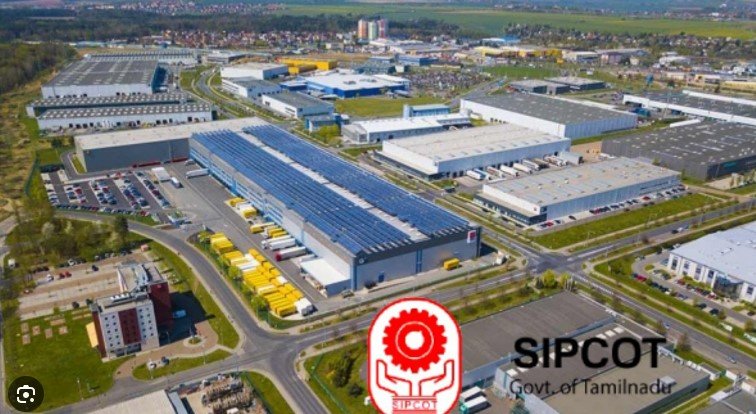
The State Industries Promotion Corporation of Tamil Nadu (SIPCOT) has been instrumental in transforming the state into one of India’s top industrial hubs. By acquiring land from private owners and developing Land Banks, SIPCOT provides ready-to-use industrial spaces equipped with roads, water, electricity, and sewerage facilities.
These industrial estates are leased to companies for 99 years, offering a stable base for long-term investment. This streamlined process not only attracts domestic and international investors but also helps generate large-scale employment opportunities across Tamil Nadu.
The addition of creche facilities within these industrial zones represents an evolution in SIPCOT’s approach — one that integrates social welfare with industrial expansion.
Driving the Future of Work Through Women Empowerment
As industries grow, the need for policies that support work-life balance becomes crucial. The SIPCOT creches initiative addresses this by directly tackling one of the key challenges working women face — childcare. By ensuring that their children are safe, educated, and cared for nearby, women employees can work with greater peace of mind and productivity.
Furthermore, this initiative aligns with Tamil Nadu’s long-standing reputation as a progressive state that leads in industrialization, social equity, and gender inclusion. The move also resonates with India’s national vision of increasing women’s participation in the workforce and achieving sustainable development goals (SDGs).

A Blueprint for Other States
The SIPCOT creches project is expected to serve as a model for other states looking to integrate social welfare facilities into industrial ecosystems. By combining government infrastructure, corporate funding, and non-profit expertise, Tamil Nadu has demonstrated a scalable, impactful model that benefits both employers and employees.
Conclusion: A Brighter Future for Working Families
With the launch of SIPCOT creches, Tamil Nadu has once again positioned itself as a leader in inclusive industrial growth. This initiative goes beyond infrastructure — it invests in families, communities, and the future workforce.
By prioritizing women’s empowerment and early childhood education, SIPCOT is setting an example for how industrial progress and human development can grow hand in hand. As more creches open across the state, Tamil Nadu’s industrial parks will not only be centers of production but also spaces of compassion, care, and opportunity.